

Teachers at the Heart of Change: Strengthening Teacher Education in South Sudan
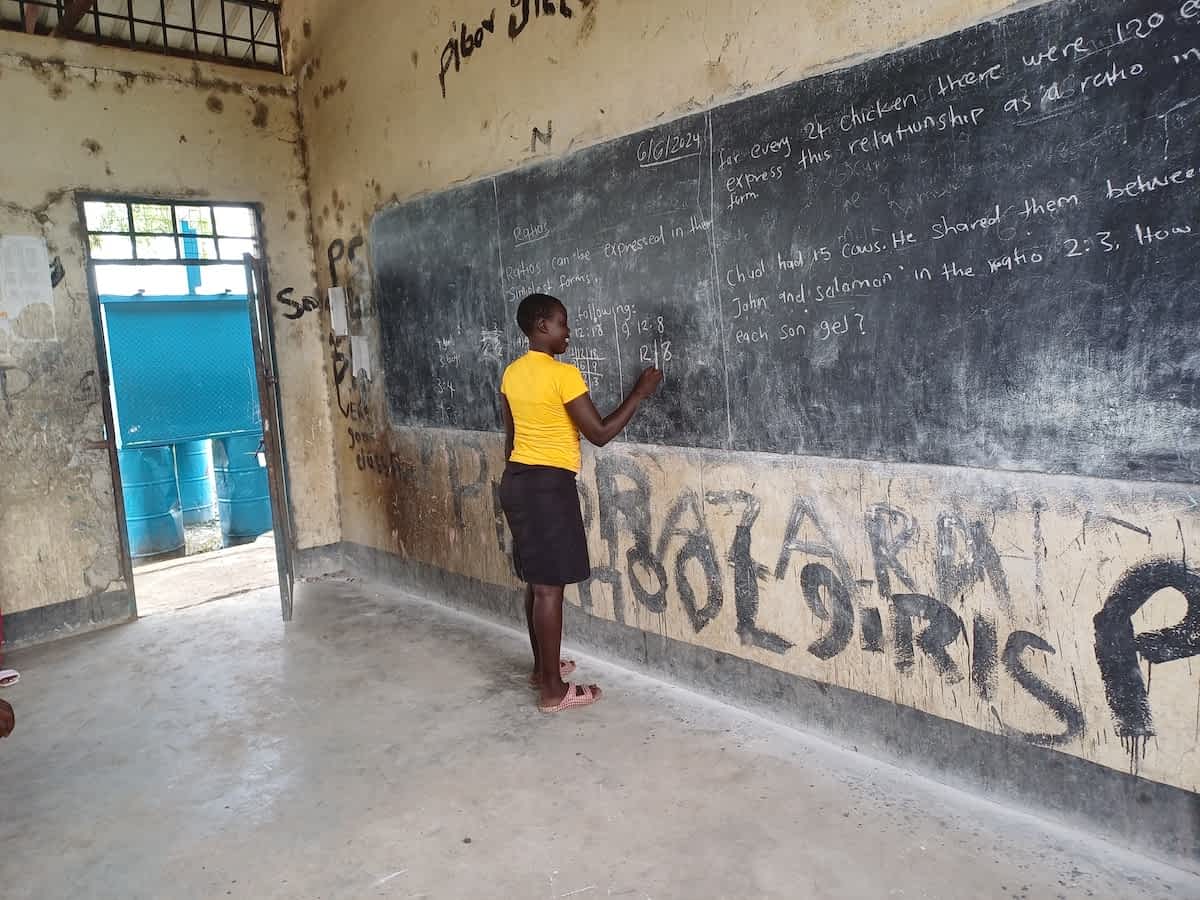
Oxfam Denmark is strengthening the teacher workforce in Lakes State, South Sudan, with a particular focus on female teachers, their professional growth, and voice in education policy implementation.
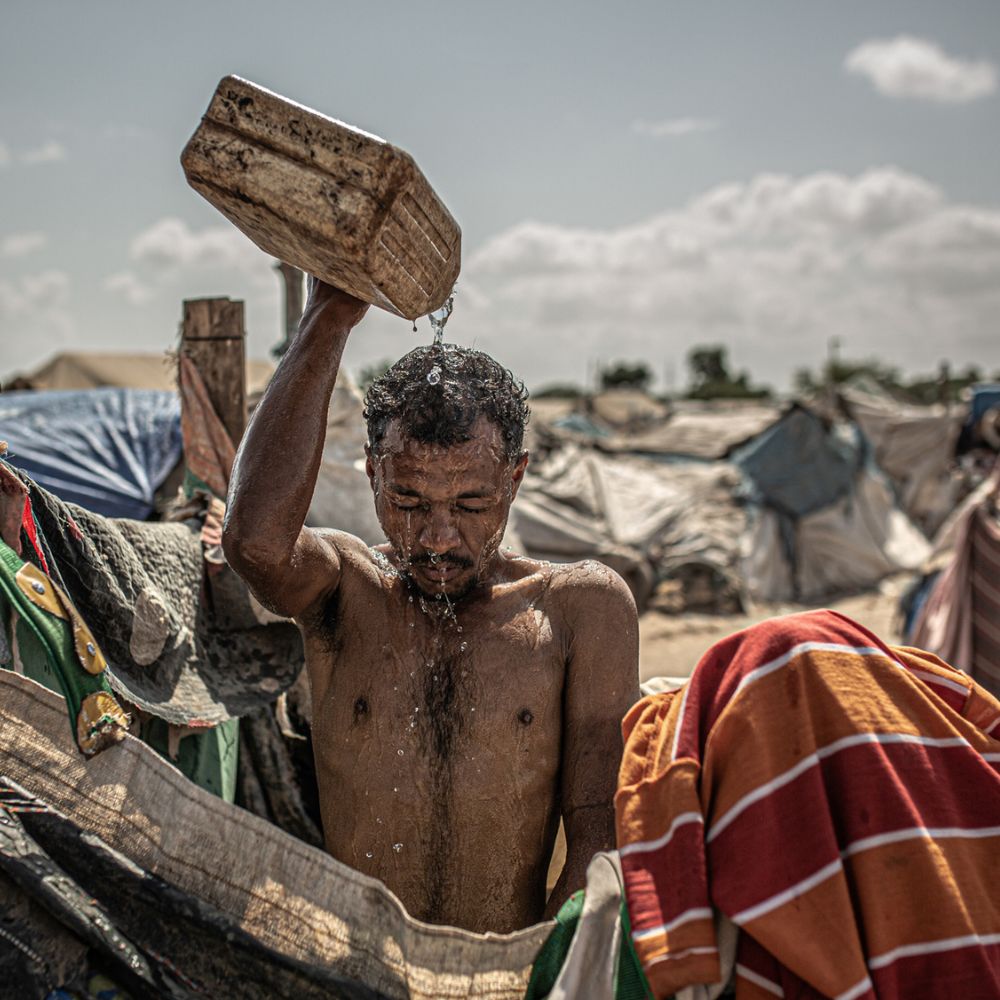
In South Sudan, teachers are working under some of the most challenging conditions. Recurring conflict, flooding, and displacement disrupt communities and schools. Qualified teachers are scarce, female teachers even more so, and many educators work without formal training or professional support. Yet these teachers are the backbone of their communities, showing up day after day to give children and youth a chance at learning.
To support these teachers and the education system, Oxfam Denmark, together with local partner the Disabled Agency for Rehabilitation and Development (DARD) and our technical partner, the Luigi Giussani Foundation (LGF), is implementing the project “Collaborative and Empowered: Supporting Teachers in Crisis Contexts in South Sudan.”
Over 24 months, the project works across Awerial, Wulu, and Rumbek East counties in Lakes State to strengthen the educational framework around teachers, thereby improving conditions for both educators and learners.
Building on what works
The project builds on the results and lessons learned from the EU-funded BRiCE programme, which demonstrated that long-term, continuous professional development for teachers makes a real difference. The mixed methods approach used a combination of training, supervision and peer support. The Teacher Learning Circles established during that programme proved especially effective as a sustainable, locally driven form of peer support. This new project continues with this approach to Teacher Professional Development but with an even stronger focus on female teachers.
Teacher training materials developed under BRiCE and approved by the national Ministry of Education have been aligned with South Sudan’s new National Teacher Education Policy and Quality Framework for Teacher Education, ensuring that the tools and methods used are not only effective but also anchored in the country’s own policy ambitions. This alignment means results can be sustained and replicated in other states by other actors, making the investment go further.
Strengthening teacher management and opening career pathways
A central part of the project is about addressing teacher shortages and attrition by improving how teachers are managed, supported, and integrated into the education system. School leadership and governance structures, including Parent Teacher Associations (PTAs) and School Management Committees (SMCs), receive training and ongoing support to strengthen accountability and create a more supportive environment for teachers.
For female teachers in particular, the barriers to teaching and professional advancement are steep. Harmful gender norms, a lack of female role models in education, low levels of education, and the absence of structured career pathways all contribute to low recruitment and retention. The project responds by mapping and testing career pathways towards teacher certification, with a specific focus on making these pathways accessible to women. A mentorship programme pairs less experienced female teachers with mentors offering professional advice and support and creating a sense of solidarity.
Giving teachers agency and voice
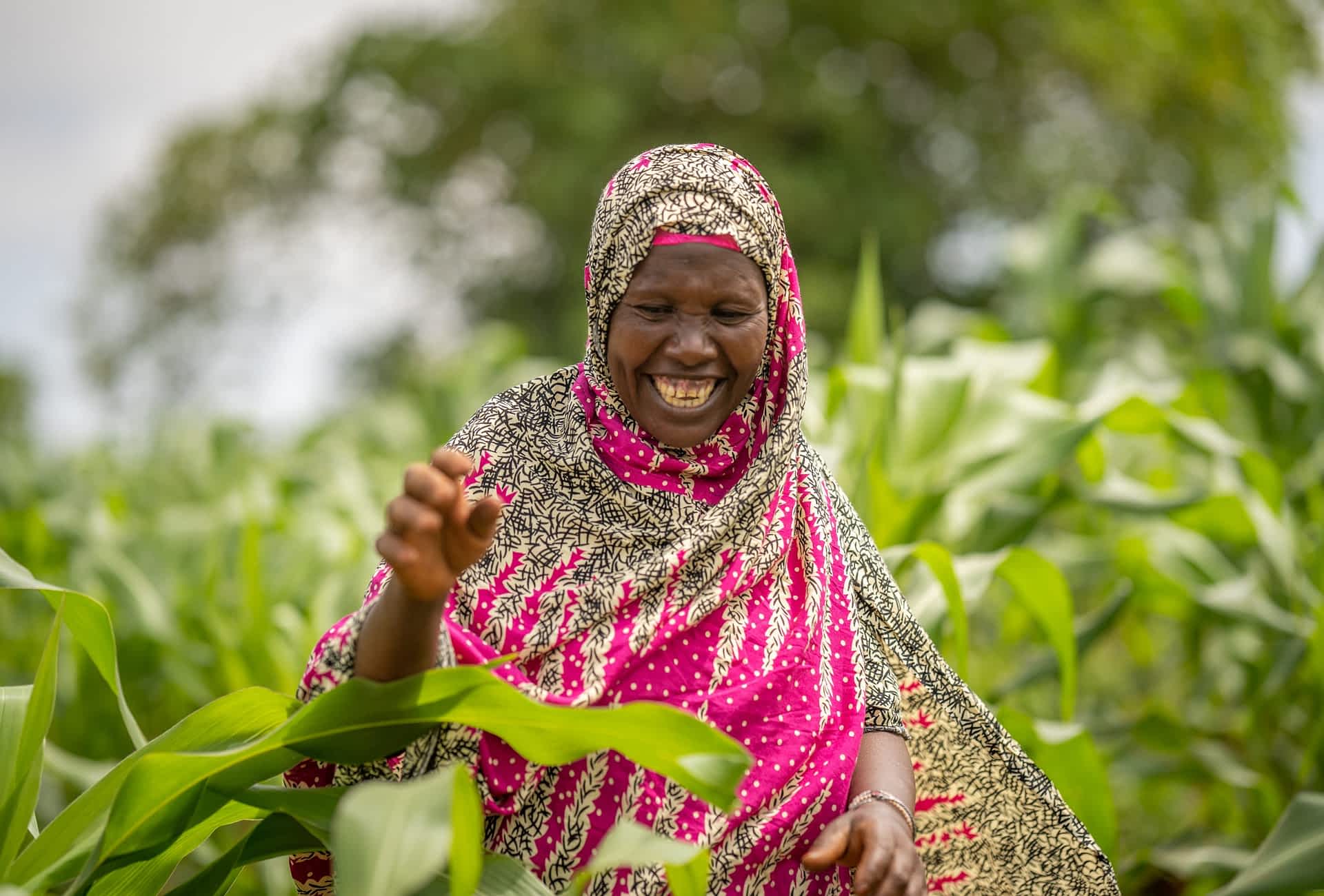
Teachers in crisis contexts are not just affected by their environment; they are uniquely positioned to understand its impact on education. Yet their perspectives are rarely heard at the policy level. The project deliberately creates spaces for teacher agency and voice by supporting teachers to reflect on and document their experiences and by engaging them in policy influencing and implementation at both state and national levels.
Female educator networks at the county level bring women together to discuss challenges, share strategies, and collectively raise their concerns with education authorities. The aim is to ensure that teachers are not passive recipients of policy, but active participants in shaping the educational framework that governs their work.
Connecting the dots: linking state and national levels
A key feature of the project is its system strengthening approach. Rather than creating parallel structures, the project works within and alongside the existing education system, from school level through County Education Centres up to the Ministry of General Education and Instruction (MOGEI) at the national level. Tutors, who play a central role in delivering continuous professional development to teachers, receive intensive training and ongoing support to strengthen their training and supervision of teachers. By linking tutors with national level Teacher Training Institutes, the project seeks to improve coherence across the system.
Local leadership at the heart of it all
Throughout the project, local leadership is central. The approach builds on existing structures, relationships, and capacities rather than imposing external solutions. Education authorities at the state and county levels co-create and co-own key components such as the onboarding programme for new teachers and the professional development curriculum for tutors. Communities, through PTAs and SMCs, take an active role in school governance. And teachers themselves drive peer learning through Teacher Learning Circles, which are designed to continue long after the project ends.
A project for teachers, shaped by teachers
The project was designed in close consultation with educators and education authorities at both state and national levels, including Directors of Education from the Ministry, Teacher Training Institutes, and teachers themselves. Their challenges, insights, and ideas are woven into every activity. Over the coming 24 months, the project will directly reach 160 teachers, 96 PTA members, 13 tutors, and 15 inspectors and supervisors, while an estimated 9,443 learners in targeted schools will benefit directly from improved teaching practices. Indirectly, nearly 60,000 learners across Lakes State stand to gain from advances in policy implementation and strengthened tutor capacity.
In a context where crisis is the norm rather than the exception, investing in teachers, and especially in female teachers, is one of the most effective ways to build resilience and create lasting change. This project is about making sure those teachers are not working alone.
This project is funded by the European Union through the EU Global Gateway initiative as part of the Regional Teachers Initiative for Africa (RTIA), implemented by Expertise France.