


Improving Gender Sensitive and local NGO engagement in IPC processes and other food security analyses
Every year millions of people suffer from malnutrition and food insecurity. In 2023, the Global Report on Food Crisis (GRFC) indicated a concerning increase in acute food insecurity that impacts 258 million people worldwide.
The Integrated Food Security Phase Classification (IPC) is an important tool in the fight against global hunger. The IPC provides a standard classification for the severity of acute food insecurity, which helps governments and humanitarian actors understand and guide strategic interventions related to nutritional and food crisis.
IPC-analysis is based on households, rather than individuals. This implies a blind spot for the intra-household diversity. For instance, a household with a mother and 4 children is more vulnerable to marginalisation and poverty, than a household with two working parents. Food security is not only material, but highly gendered, relational and embedded in social structures.
The Project
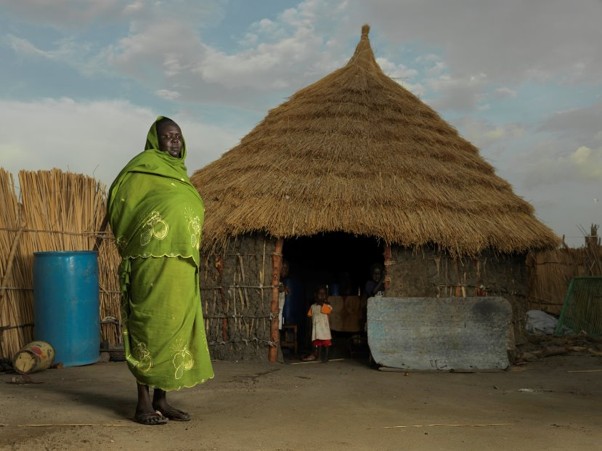
The project focuses on the relationship between gender and food insecurity in South Sudan and Lebanon, where qualitative research showed that women are most vulnerable to food insecurity within households. When food is scarce, women are often the first to reduce their own intake to shield their families from hunger.
The aim of the project is to contribute to the strengthening of IPC and other food security analyses, to consider marginalised groups, including women. Thereby achieving the best possible results that strengthen the effects of strategic interventions, while prioritising aid where it is most acutely needed.
Meanwhile, the project will strengthen participation of local NGOs to improve the quality of data and analysis, along with local anchoring of IPC processes.
Through this project, Oxfam and local partners have worked to improve the tools used to analyse data regarding food insecurity, to consider diverse households, rather than treating all households the same. The project has been carried out in collaboration with the global IPC Secretariat, which helps integrate and disseminate results and learnings into global IPC guidelines and protocols.
The project is supported by Novo Nordisk Fonden with 4,500,000 DKK.
To learn more about the specific findings from the project, you can read the following two reports:
A Gendered Lens of Food Security in Lebanon | Oxfam International
Unseen Hunger: Data, tools and insights for better food security analysis and response