



Combatting Food Insecurity
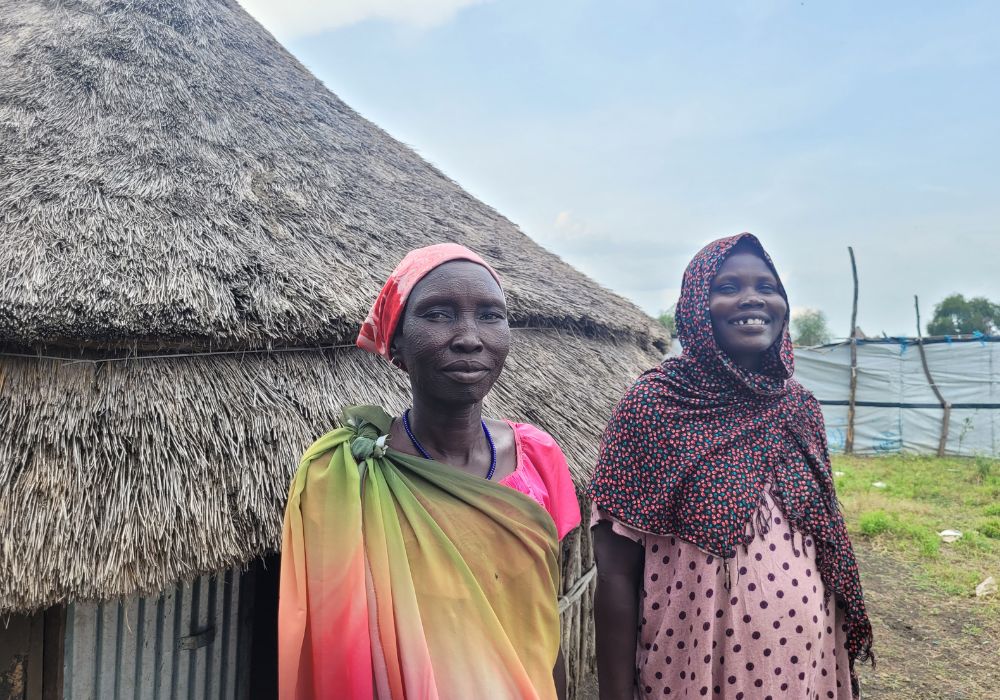
Photo: Ellen Eide/Oxfam Denmark
Global Food Insecurity Reaches Record Levels
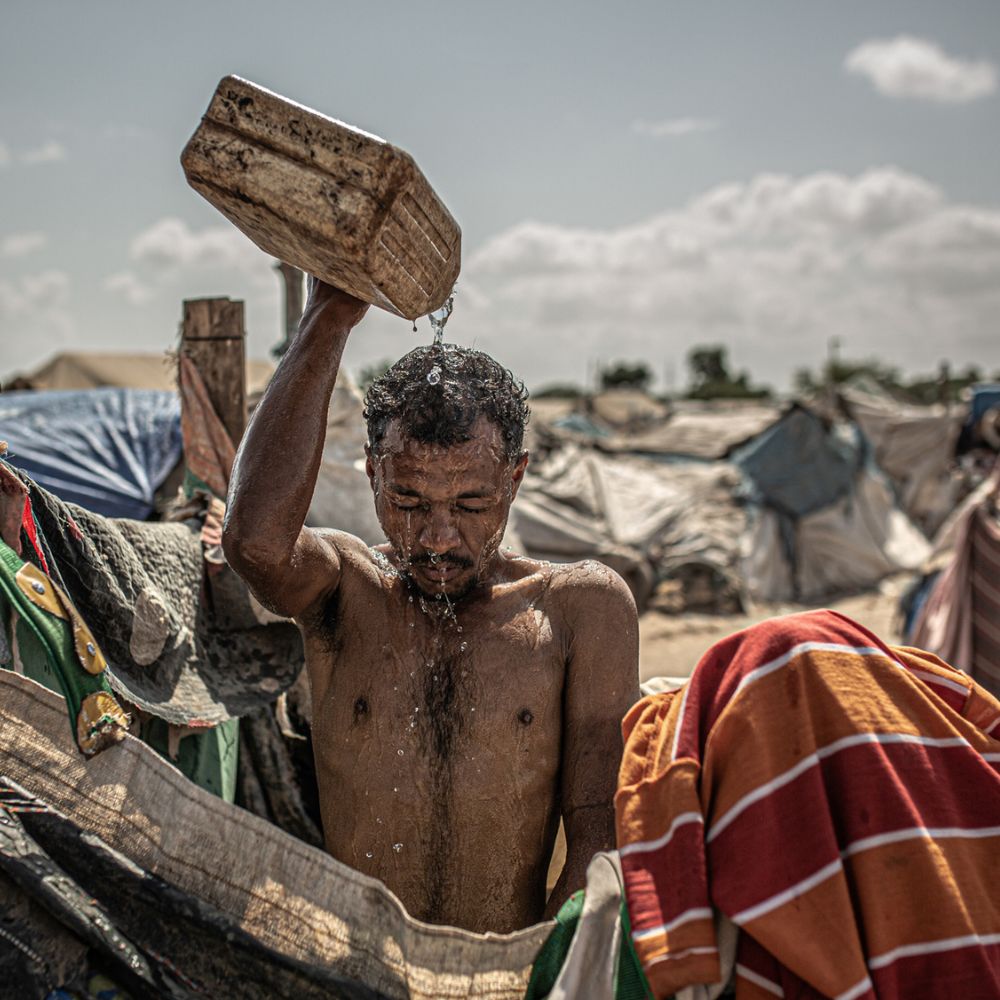
A perfect storm of global crises (the escalating climate emergency, the war in Ukraine, and the lingering effects of the Covid-19 pandemic) has driven food insecurity to unprecedented heights. Vulnerable populations in developing countries bear the brunt of this crisis, with devastating and far-reaching consequences.
Acute Food Insecurity in Six Crisis-Affected Countries
An estimated 30 million people in Burkina Faso, Kenya, Mali, South Sudan, Syria, and Uganda faced acute food insecurity in 2023. These countries are grappling with a dangerous combination of challenges that compound existing vulnerabilities:
- Extreme weather events such as prolonged droughts and devastating floods
- Organised violence and armed conflict
- Rising global prices and disrupted supply chains
These overlapping crises are creating a perfect storm that leaves millions without secure access to food.
Price Drops Aren’t Reaching Local Markets
While global food prices have declined from their peak in 2022, domestic markets in the most affected countries have seen little to no relief. In fact, in Syria, the cost of food has doubled in just one year and is now thirteen times higher than it was three years ago.
Similar trends are seen across the other crisis-hit countries, where high inflation and supply disruptions continue to drive up local food prices, leaving families unable to afford even the most basic staples.
Women and Girls Hit the Hardest
The food crisis is not gender-neutral. Women and girls are disproportionately affected, both in terms of nutrition and exposure to risk. When food is scarce, women often sacrifice their own meals to feed other household members, a pattern that worsens their already precarious health and economic status.
The global gender gap in food insecurity widened from 1.7% in 2019 to over 4% in 2021, illustrating the growing inequity. Alongside women, displaced populations, people with disabilities, poor households, and children are among those most severely impacted.
A Deepening Nutrition and Protection Crisis
Beyond hunger, the ongoing crisis increases risks of gender-based violence, child malnutrition, and social instability. Food insecurity not only erodes health and dignity but also undermines development gains and the prospects for peace in fragile contexts.
The project
The Norad funded project Combatting Food Insecurity among the Most Vulnerable in 6 Countries addresses food security and nutrition needs of 115 000 people in Burkina Faso, Kenya, Mali, South Sudan, Syria and Uganda. The project addresses both the immediate food and nutrition crisis while improving long term food security through climate adaptive food production and livelihood activities.
The project targets especially small-scale food producers, who are essential for increasing local and sustainable food production. The project enables small scale food producers to get access to productive assets, financing and knowledge to increase productivity and improve food production.
The project is designed to benefit especially small-scale food producers and other community members from vulnerable groups who have been most severely affected by the food and nutrition crisis, including women, displacement affected populations, persons with disabilities as well as children and youth. In addition to supporting small scale food producers to adopt climate friendly and adaptive techniques to increase food production, the project also provides cash and supplementary food and nutrition to vulnerable households and children to address their immediate needs.
By supporting especially women and vulnerable groups, the project contributes to reducing inequalities and closing the food insecurity gender gap.
This project is supported by Norad with 68,9 million NOK (around 6 MEUR)
Countries: Burkina Faso, Kenya, Mali, South Sudan, Syria and Uganda
Results and Progress
This section outlines the progress made under the ‘Combatting Food Insecurity’ programme. Latest update: June 2026.
Cash Assistance in South Sudan
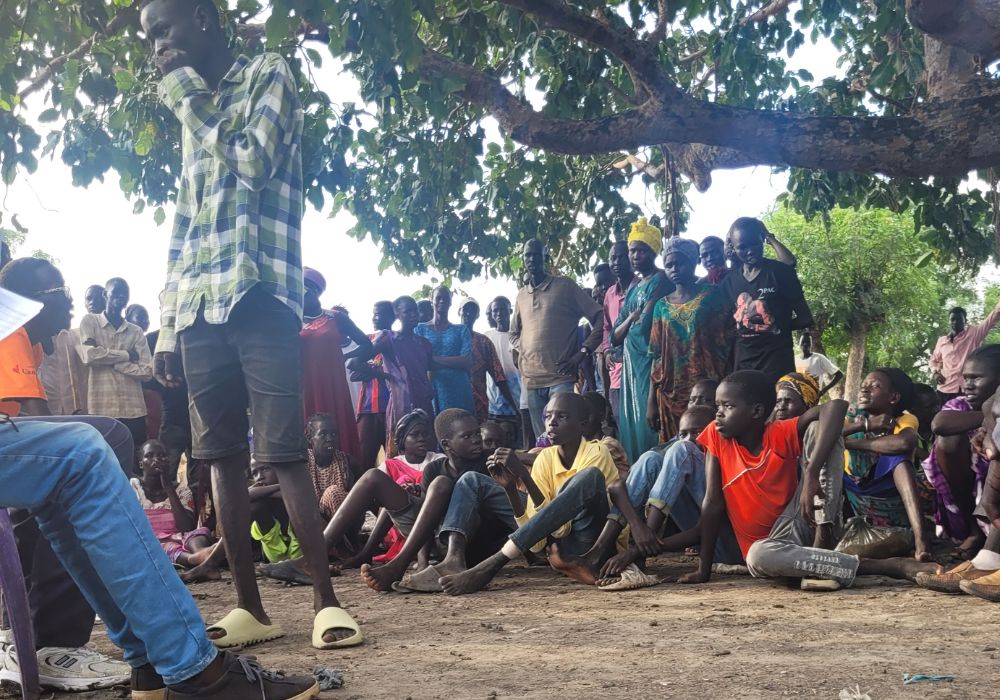
300 vulnerable households – a total of 1,753 people – have received unconditional cash transfers in villages in Akobo East and Nyirol. The support reduces food insecurity during the two months in which the assistance is distributed. Some recipients have reinvested small amounts into income-generating activities, improving their household’s economic stability.
Below is the token distribution for the second round of cash assistance in Akobo East, reaching 150 vulnerable households (900 people). Conversations with recipients about how they used the first round of cash support showed that most spent the money on food (1–2 meals per day), while others invested in livestock or small businesses (e.g., charcoal production).
Infrastructure rehabilitation in Syria
The project has helped the rehabilitation of the Al-Mayadin bakery in Syria. A new production line was built, that has a capacity of 12 tons bread per day. Along with the old production line of 8 tons per day, Al-Mayadin now produces 20 tons per day, benefitting 31,579 individuals.
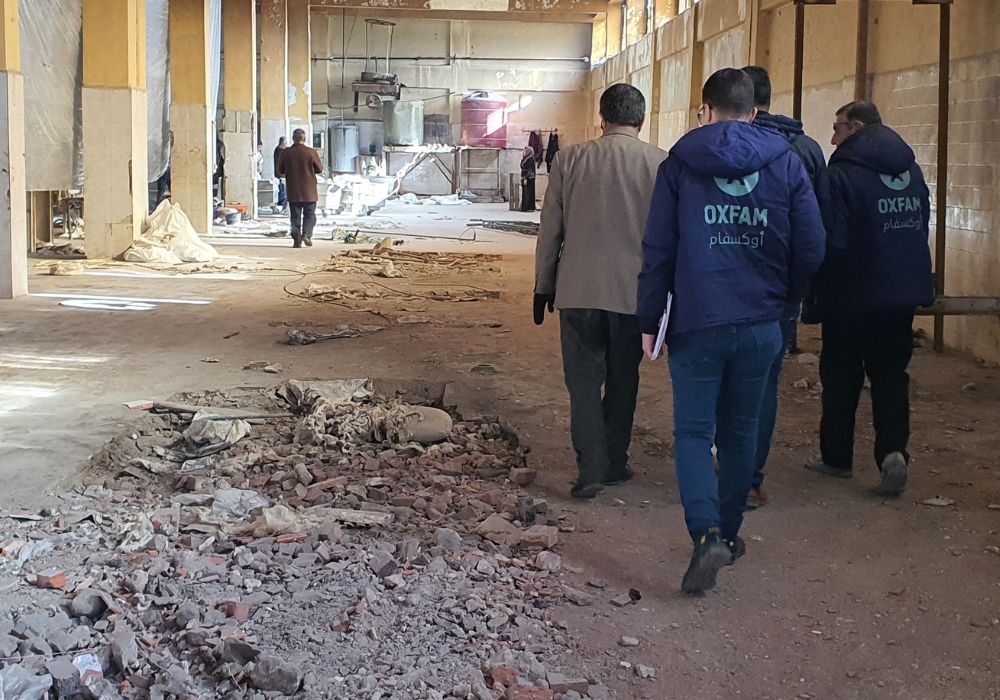
The bakery now meets the needs of the Al-Mayadin sub-district, the surrounding villages, and the internally displaced people affected by the conflict on both sides of the river. The rehabilitation included civil works and the provision and installation of the new production line.
Production and marketing capacities in Burkina Faso
300 women and youth have been trained on production, conservation, processing and marketing of agropastoral and non-timber forest products (NTFPs).
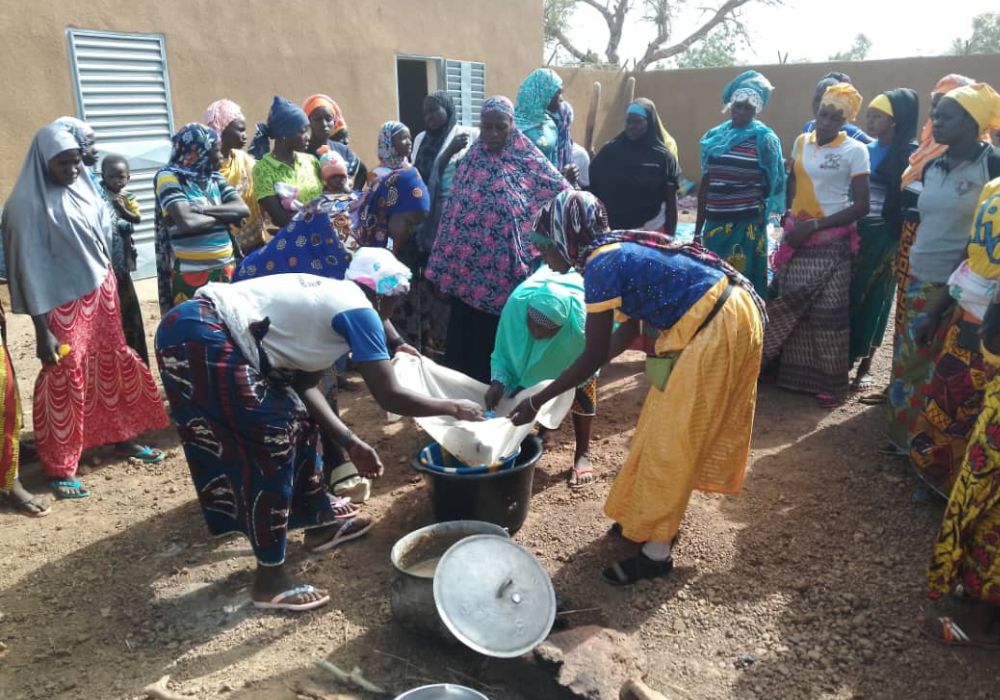
Photo: Nacanabo Mohamed, AAAE
The trainings executed in the areas of Rambo, Kossouka, and Ouahigouya, ensures livelihood opportunities to these vulnerable individuals and focused on: shea butter soap processing, bissap and ginger juice production, processing tomato paste, yogurt and bread making. Participants received financial support for their activities related to non-timber forest products in the upcoming period.
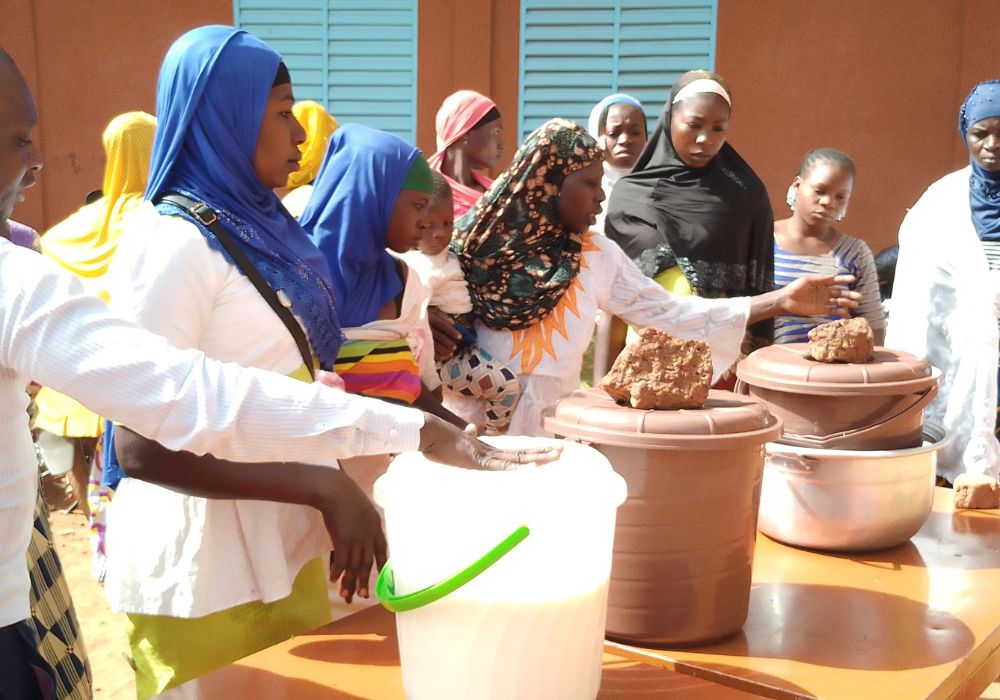
Photo: Nassouri Yacouba, DEVSO
Climate Smart Agriculture in Uganda
3,055 individuals in West Nile – an area severely affected by climate change (i.e. destruction of crops due to flooding, waterlogging, increased soil erosion, post-harvest losses) – have been trained on climate resilient agriculture, including organic fertilizer and pesticide production and setting up climate resilient agricultural gardens.
The trainings are expected to provide increased food production and income of the food producers, reducing the scale of the food insecurity and malnutrition situation and minimize negative coping strategies in the area, which has been hit hard by the WFP cut in food assistance.
Agricultural input and animals for increased and diversified nutrition in Mali
100 economically vulnerable women pastoralists received 3 female and 1 male goats, cattle feed, and other necessary animal inputs. As well as training on feeding and management techniques for small ruminants. The initiative increased children’s intake of nutritious and diversified food, thus, to combat malnutrition.
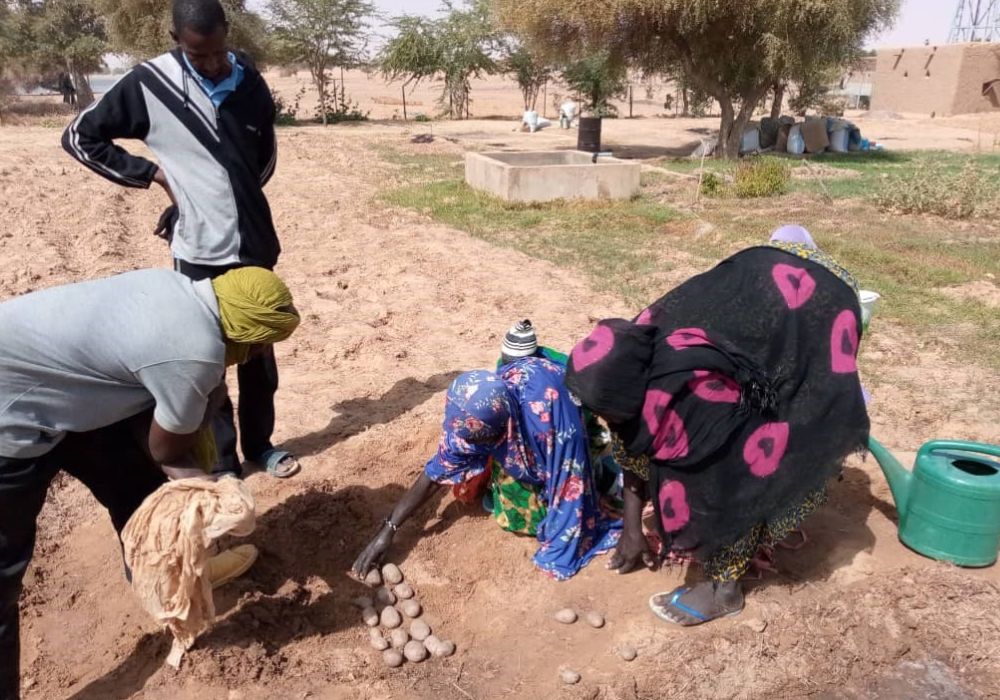
Photo: Mahamoudou B. Dicko, ADC
1,000 farmers benefitted from market gardening inputs and tools, all of these (in addition to 26 more farmers) also received capacity-building support on market gardening techniques and distribution of small ruminants and support kits in Bourem, Gao, Mali.
Gender sensitive trainings in Kenya
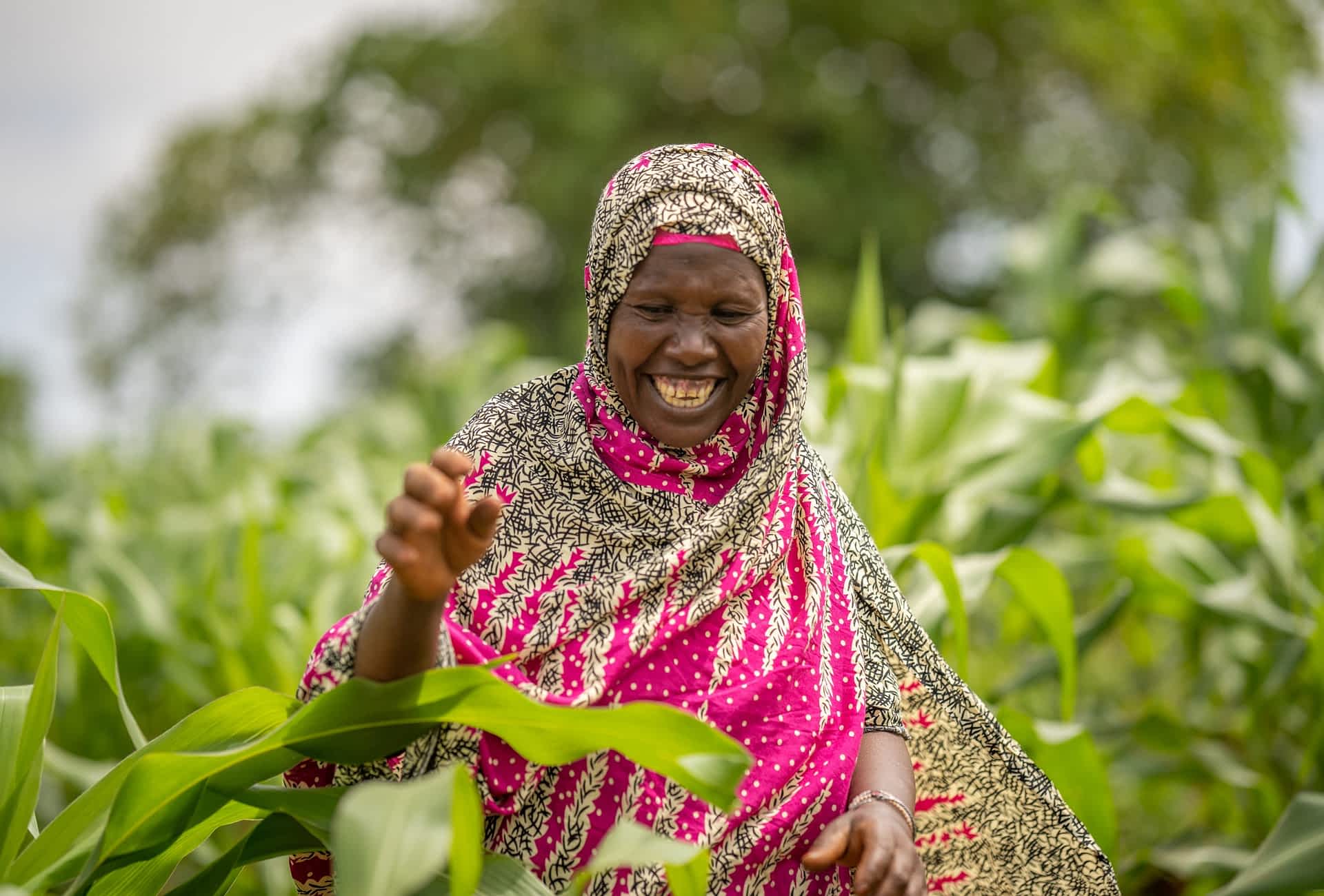
3456 individuals received gender sensitive agricultural training (on sustainable farming practices, crop management, and income-generating activities) which addressed gender-specific constraints and introduced tools and practices that improve efficiency and reduce the labor burden on women.
Another 623 individuals (men and women) were trained on gender justice (women’s economic empowerment, workload, participation in decision making and resource control, participation in climate actions), this training in conjunction with the other activities of this program promotes gender-sensitive approaches that respect local customs while advancing gender equality.
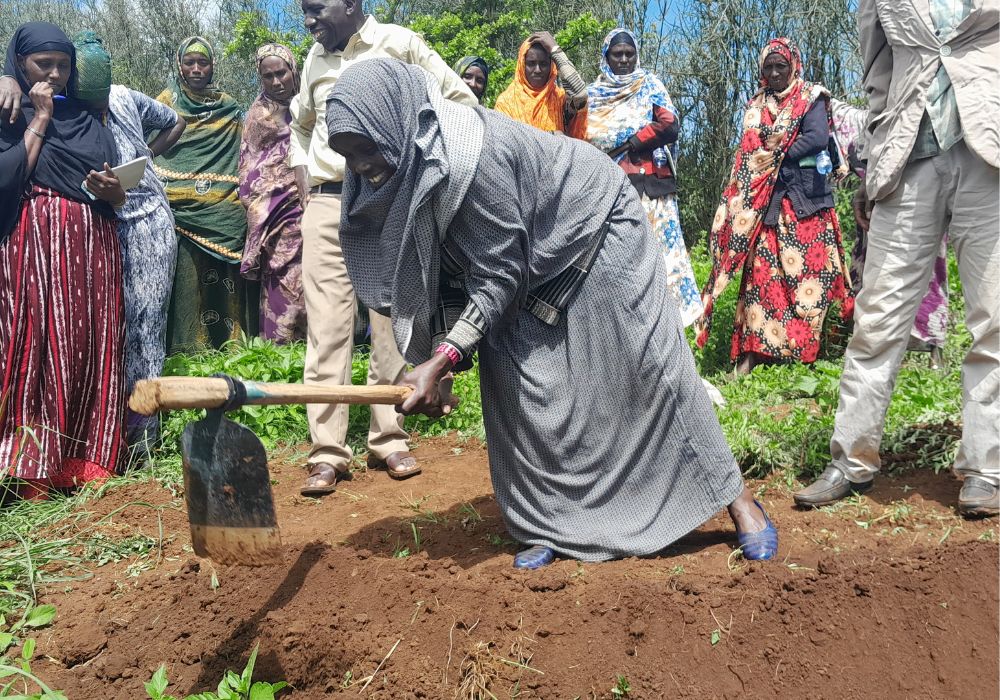
Photo: Joseph Ndungu, PACIDA
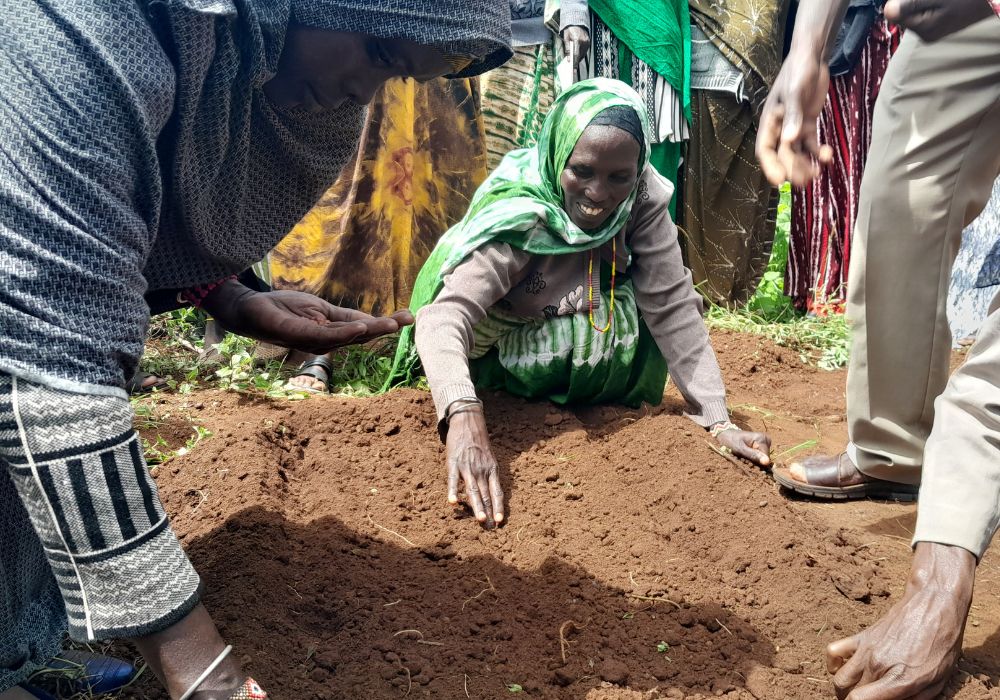
Photo: Joseph Ndungu, PACIDA
Pia Dyrhagen
Interim International Programme Director
International Programme