

Early childhood care in Bolivia
Care work sustains life, allowing us to live with dignity and to sustain our economies and societies. But care work unfairly falls on women and girls as they are responsible for caring for older adults, children and people with disabilities, as well as carrying out most of the un-paid domestic work, including cooking, cleaning, washing and all the activities that allow societies to function and reproduce.
In Bolivia, the family is the central pillar of care provision, and the State has a limited presence, especially in relation to early childhood care. It has been estimated that only 3 out of every 10 Bolivian families that have young children in their homes use childcare services. This origins from both cultural values, but also a distrust in childcare centers.
The unproportionate distribution of childhood care between men and women negatively effects women’s participation in paid work and the autonomy of women. According to Oxfam data, women earn only 64% in relation to men and the unemployment rate is double in comparison to men.
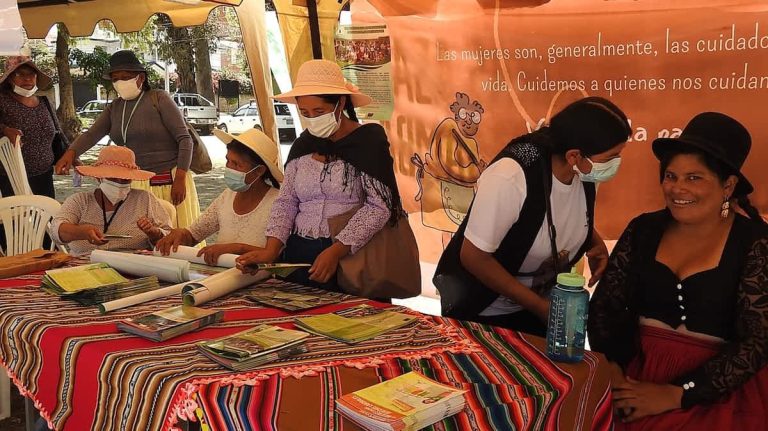
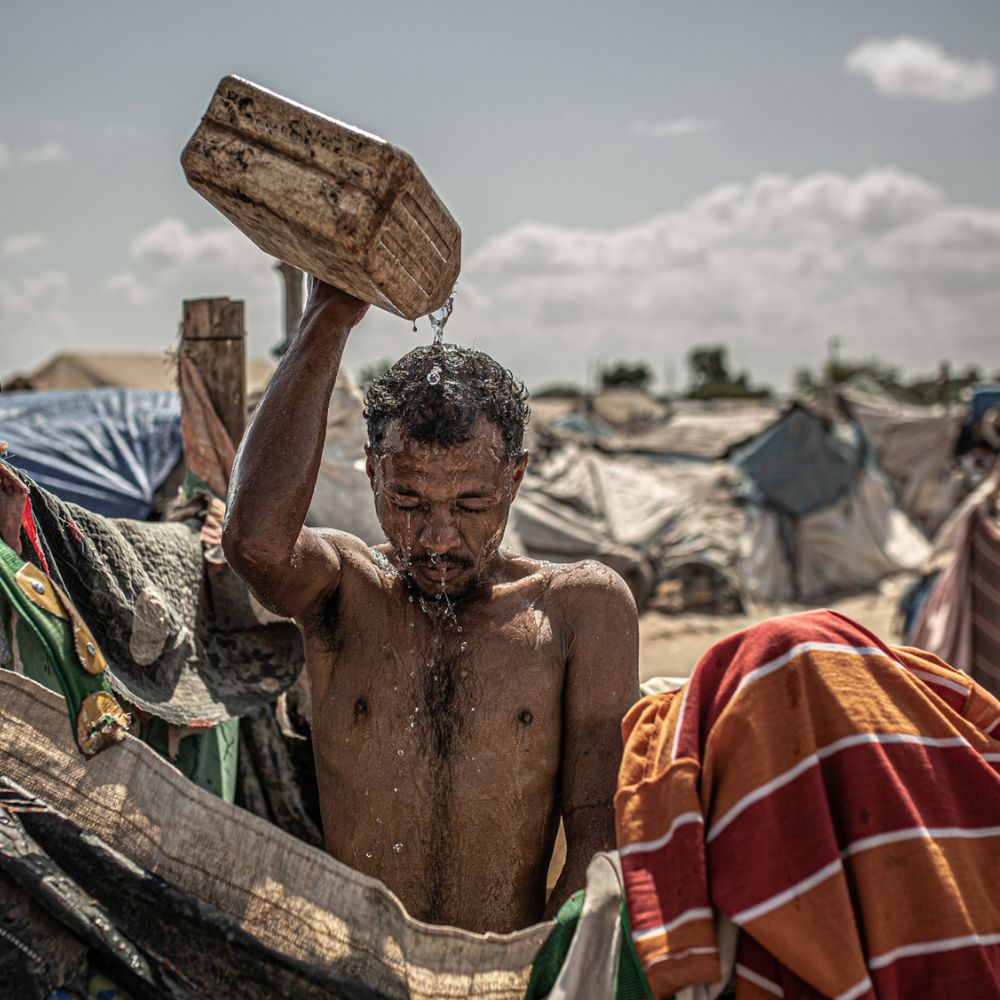
Photo: IFFI
The project
The project focused on the right to shared responsibility of care through increasing demand and access to high-quality childcare services in Bolivia. It was implemented in collaboration with the Bolivian organisations Alternative Education Team with Women (ECAM) and The Juana Azarduy Center (CJA).
Oxfam and partners have systematised good practices of childcare services to promote both public, family and social co-responsibility of childcare and training educators and food handlers from 17 childcare centers focusing on the active relationship between the childcare centers and families, the community and the local government. A key component is also to ensure that social organizations, authorities, and both men and women who use care services understand the importance of shared responsibility in caregiving, with a focus on promoting gender equality and challenging traditional gender roles.
Evidence from the project, dialogue and advocacy have also been promoted in government bodies to encourage policies that promote the right to shared responsibility and autonomy of women.
The project was developed in 3 urban and rural municipalities in 2 departments, Sucre and Villa Serrano de Chuquisaca and Entre Ríos in Tarija, with a reach of more than 2,195 direct participants and 84,000 people in total.
Final results
- Two studies on the situation and perceptions of care were conducted in the initiative phase.
- Improvement of the infrastructure of 9 childcare centers through equipment of supplies and pedagogical materials appropriate to the needs of the children.
- Two technical guides to support innovative childcare methods were produced to guide the Care for Childcare Centers.
- Governmental institutions implemented 6 politics in favour of shared caretaking responsibilities among men and women.
- To strengthen the quality of childcare, 125 educators and food handlers were trained in the Care Model, the Waldorf-method, gender-sensitive approaches and prevention of violence.
Time period and funding: This project ran from 2022 to 2026 and was supported by Sida with 8,000,000 SEK.
Country: Bolivia
Pia Dyrhagen
Interim International Programme Director
International Programme